The Austrian Alps look beautiful in every season. But beautiful and right for your trip are two different things. Whether you're planning your first visit or returning after years away, timing changes everything: the crowds you'll face, the activities available, and the overall experience you'll have.
This guide is honest about what each season offers and what it doesn't.
Winter: The Classic Choice for Snow Lovers
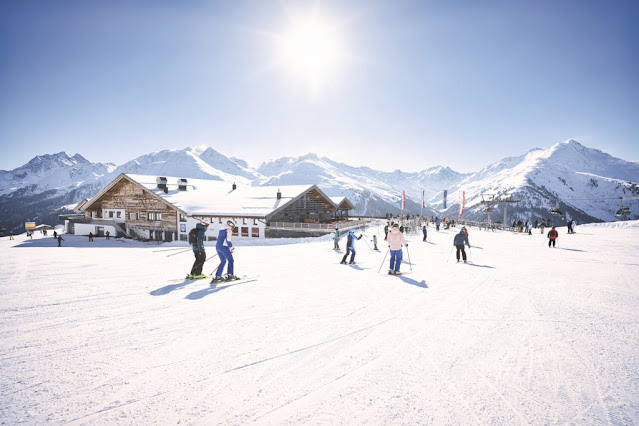
December through March is when the Austrian Alps are most famous. Snow covers the peaks, ski runs are groomed and open, and mountain villages feel exactly like the postcards suggest.
If you want to know the best time to ski Austrian Alps, the honest answer is January and February. Snow conditions are most reliable, temperatures are cold enough to hold good powder, and the full range of ski areas is open. December is festive and charming but can have unpredictable early-season snow. March softens into spring skiing, still enjoyable, but icier mornings and slushier afternoons become more common.
The trade-off in peak winter is crowds and cost. Popular resorts like Kitzbühel, St. Anton, and Zell am See fill up quickly. Book accommodation early and expect higher prices across the board.
Spring: Quiet, Green, and Underrated
April and May are when most tourists leave. Snow melts at lower elevations, hiking trails begin to open, and the Alps shift into something quieter and greener. If you enjoy walking, photography, or simply being in the mountains without crowds, spring is genuinely special.
The limitation is unpredictability. Weather changes quickly at altitude in spring. A warm morning can turn cold and wet by afternoon. Pack layers and always check forecasts before heading into higher terrain.
Summer: Hiking Season at Its Best
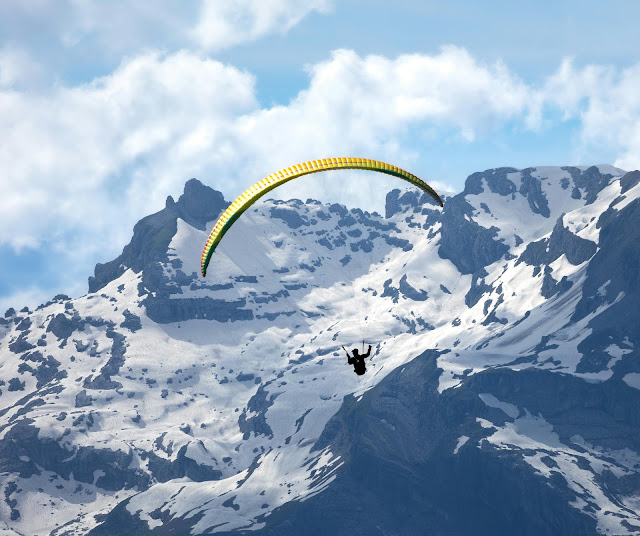
June through September brings long daylight hours, warm temperatures in the valleys, and fully open hiking trails across all elevations. Alpine flowers are in bloom, cable cars run regularly, and the mountains feel alive in a completely different way than winter.
Alpenature covers this season well; the summer Alps reward slow travellers who take time to walk, observe, and settle into the rhythm of mountain life rather than rushing between highlights.
Summer is also when mountain lakes like Wolfgangsee and Hallstätter See become genuinely magical. Swimming in glacially cold water surrounded by peaks is an experience worth planning a trip around.
Autumn: The Overlooked Season
October and early November offer golden light, coloured foliage, and dramatically reduced visitor numbers. Some facilities begin closing for winter, so access to certain areas becomes limited. But for photographers and hikers who prefer solitude, autumn in the Austrian Alps is hard to beat.
The window is short. By mid-November most ski areas haven't opened yet and hiking season is winding down, leaving a quiet in-between period that suits some travellers and frustrates others.
Mistakes to Avoid
Visiting in peak season without booking ahead is the most common problem. Accommodation in popular areas sells out months in advance, especially for Christmas week and February school holidays.
Underestimating altitude is another one. Even in summer, temperatures drop significantly above 2000 metres. Visitors who arrive dressed for valley weather often find themselves cold and exposed on higher trails.
Alpenature is a good resource for understanding what each season genuinely offers across different parts of the Alps, not just the famous resorts, but the quieter valleys and lesser-known areas that often deliver the better experience.
A Thoughtful Conclusion
There is no single best time to visit the Austrian Alps. There is only the best time for what you want. Skiing in reliable conditions points to January and February. Hiking and wildflowers point to June and July. Solitude and atmosphere point to spring or autumn.
Go in knowing what you're looking for, book ahead if you're travelling in peak season, and respect the mountain environment regardless of when you visit.
The Alps will be there in every season. The question is simply which version of them you want to meet.

Comments
Post a Comment