If you are thinking about Ski Trip Planning St. Anton in 2026, the first thing to know is this: St. Anton is exciting, beautiful, and sometimes overwhelming for first-time visitors. It is one of Austria’s most famous ski destinations, known for strong snow conditions, lively après-ski, and serious terrain. Planning well makes the difference between a stressful trip and a smooth, memorable holiday.
Let’s break it down in a simple, honest way from costs to daily plans.
Why St. Anton Is Special
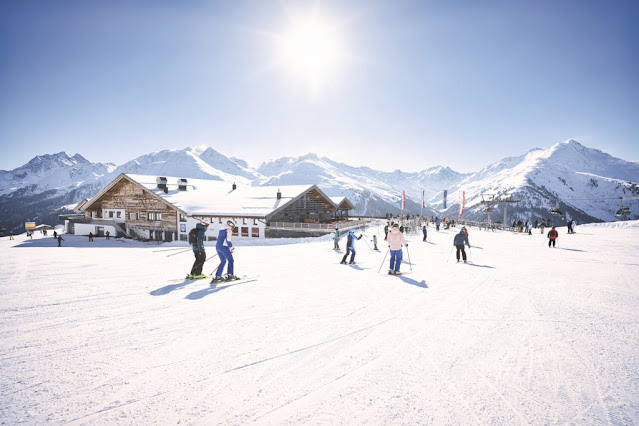
St. Anton am Arlberg sits in the Austrian Alps and is part of a large ski area with connected resorts. The slopes are wide and scenic. Snow quality is usually reliable between December and March. Advanced skiers love it, but beginners can also find good learning zones with proper planning.
One common mistake is assuming it’s only for experts. That’s not true. But beginners should book lessons early and choose accommodation close to easier slopes.
How Much Does a Ski Trip to St. Anton Cost?
Costs depend on timing and comfort level, but here is a realistic breakdown for one week in 2026:
Accommodation: €900–€2,500 per person (shared chalet or hotel)
Ski rental: €150–€250 per week
Lessons (if needed): €250–€400
Food and drinks: €40–€70 per day
Flights and transfers are extra. The closest airports are Innsbruck and Zurich.
Prices increase during Christmas, New Year, and February school holidays. Booking late can also push prices higher.
When Is the Best Time to Visit?
January and early March are often ideal. Snow is good. Crowds are manageable. Prices are slightly lower than peak holiday weeks.
February has excellent snow but can feel busy, especially during European school breaks.
Late March offers sunshine and longer days, but snow can be softer in the afternoon.
Where to Stay
Staying near the main lifts saves time and energy. The village is walkable, but carrying ski boots through icy streets is not fun.
If you want quiet evenings, stay slightly outside the center. If you enjoy nightlife, choose accommodation close to the main street.
Families may prefer smaller guesthouses. Groups often choose chalets.
Sample 5-Day Itinerary
Day 1:
Arrive, collect rentals, explore the village, rest early.
Day 2:
Warm-up skiing on easier slopes. Book a lesson if needed.
Day 3:
Explore higher lifts. Try different connected ski areas.
Day 4:
Rest morning. Visit a spa or enjoy a scenic lunch on the mountain.
Day 5:
Challenge yourself on longer runs. Take photos. Celebrate the last evening calmly.
Avoid overplanning every hour. Skiing is tiring, especially at altitude.
Practical Tips That Help
Book lift passes online before arrival.
Rent equipment in advance during peak weeks.
Pack sunscreen. The Alpine sun is strong.
Drink enough water. Dehydration happens easily in cold air.
Start early each day. Snow is better in the morning.
Many people overpack heavy clothes. Layers work better than thick jackets.
Mistakes to Avoid
Choosing advanced slopes without checking difficulty.
Ignoring travel insurance that covers winter sports.
Forgetting transfer time from the airport (can take 1.5 -- 3 hours).
Booking too many ski lessons back-to-back without rest.
St. Anton’s terrain can feel intimidating. It is okay to go slowly.
Is St. Anton Right for You?
If you enjoy mountain scenery, energetic atmosphere, and strong skiing culture, St. Anton is a great choice. If you want a very quiet, beginner-only resort, you might prefer a smaller village.
The key to good ski trip planning is balance. Plan enough to feel organized, but leave space for rest and flexibility.
Final Thoughts
Planning a ski holiday takes effort, but it pays off. St. Anton offers beautiful alpine views, reliable snow, and memorable experiences. Costs are not small, so thoughtful preparation helps avoid stress and wasted money.
In the end, the best ski trips are not about perfect schedules. They are about shared meals, fresh mountain air, and small moments on the slopes that stay with you long after the snow melts.


Comments
Post a Comment