Skiing and snowboarding are exhilarating winter sports that attract millions of enthusiasts from around the world. From picturesque mountains to fresh powdery snow, there are plenty of reasons why this is a favourite winter activity. But planning a ski trip requires a bit of preparation and research to ensure a smooth and enjoyable experience. Whether you’re a seasoned skier or a beginner snowboarder, we share some advice to ensure smoother planning and organising for an unforgettable winter vacation.
WHICH RESORT TO GO
Do: Choose a ski area according to your abilities
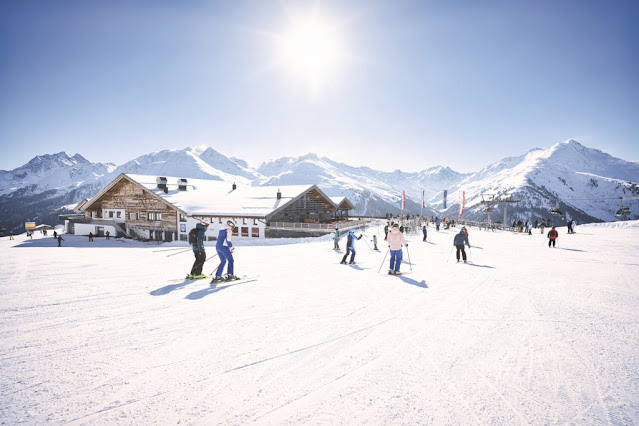
While most ski places have beginner area for first timers, some resorts are better catered for advanced and off-piste riders. For example, St. Anton am Arlberg has beginner’s areas both on top (with sunshine and panoramic views) and at the bottom of a mountain (easily accessible without ski lifts), while Innsbruck only offers one beginner run. Always check out the ski maps before making your decision.
Do: Take the ski bus
Not only is taking the ski bus environmentally friendly, it also saves you time compared to driving. Parking lots are always limited and because most accommodations offer ski depot right at the lifts, you don’t have to carry your gear with you as well. All you need is the bus timetable and do take note that in Austria, the buses are very punctual.
Don’t: Book everything yourself on your first trip
A ski holiday is not like any other holiday – it is complicated to plan and organise. Even after you’ve decided on where to go, you still need to book other aspects of the trip from airport transfers or train tickets to gear rental and ski lessons. And this is only the tip of the iceberg, so it’s best to leave it to somebody with experience and preferably a local, who knows the resort at the back of her hand. We are happy to help!
PREPARING YOUR GEAR
Do: Rent you gear
If you don’t plan to ski or snowboard every winter, rent and arrive one day before to get them sorted. If you do, having a snowboard that fits your riding needs and abilities makes a good investment. Most rental shops don’t rent gloves, ski goggles and waterproof jackets. If you can’t borrow them, try your luck at the local sports shops and look for past season items on sale.
HOW TO RIDE
Do: Learn from a qualified instructor
Paying to learn how to ski or snowboard properly is way more worthwhile than paying for medical help. Do you get what I mean? Nobody wants to be injured on a holiday and knowing the basics at least, will minimise the possibility of getting hurt. You have two options: group or private lessons. Private lessons are highly recommended because you have your instructor’s full attention the entire time and you will progress much faster.
Don’t: Ask a friend to teach you
Your pal may ride down black runs easily, but he or she doesn’t have the knowledge and expertise in teaching the techniques compared to instructors who go to school for that. Your unqualified friend may even get bored eventually and head off riding, while leaving you on your own, making your way down a steep slope and having an unpleasant experience.
A ski holiday is not like any other holiday – it is complicated to plan and organise.
HOW TO STAY SAFE
Do: Practise ski etiquette
Basic knowledge like stopping on the sides of the slopes instead of the middle, can prevent a lot of accidents from happening. Ski schools usually have brochures about the various rules on the slopes. Also, ski maps vary in different countries. In Austria, the easiest slopes start from blue, red then to black, while in North America, beginner runs are green, followed by intermediate blue and advanced black.
Do: Check the weather
Being prepared for the various snow conditions is key to an enjoyable experience on the mountains. Extra sunscreen and quality goggles are ideal on a sunny day. Ski clothing with side zippers is great to prevent overheating as well. Goggles with yellow lenses are best suited for snowy days. Double-layered gloves, with inner layers of different thickness are versatile in varying temperatures.
Don’t: Go beyond your limits
Skiing and snowboarding are more about being able to control your speed than zooming down the mountain. Always listen to the advice from your instructor and don’t attempt black runs when you’re a beginner. After a whole day of skiing, it’s totally fine to choose to take the cable car down if you’re already exhausted. Time for some après-ski.
Learn more about planning for your ski holiday in Europe in this article and get a comprehensive guide here,
source



Comments
Post a Comment